Best Option to Download Lionsgate Movie
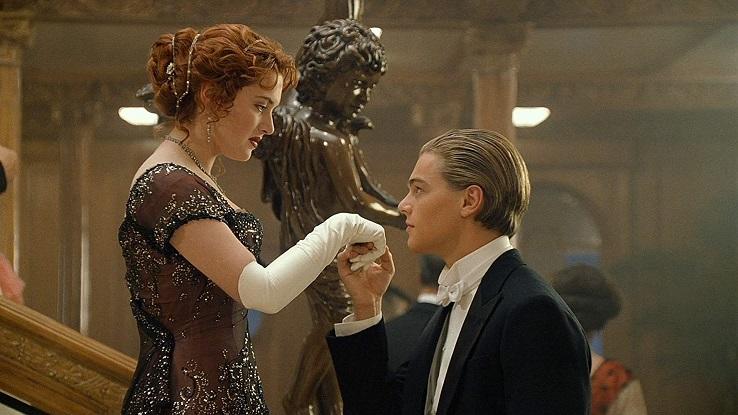
Everyone thinks filmmaking is a grand gamble — and sometimes it is. Actors make a lot of money to perform in character for the photographic camera, and directors and crew members pour incredible talent into creating "movie magic" that makes everything look simple and fun.
However, some of the most famous movies in history had such challenging and frustrating productions that anybody worried they would be box role flops — or completely scrapped earlier completion. Take a look at our listing of amazing hit movies that almost didn't make information technology to the big screen.
The Wizard of Oz
The Magician of Oz is an iconic archetype, so it'south hard to believe the glittering 1939 MGM spectacle was nigh never fabricated. From the very beginning, it took 17 screenwriters and six directors to tackle the project. When shooting finally started, filming was a disaster.
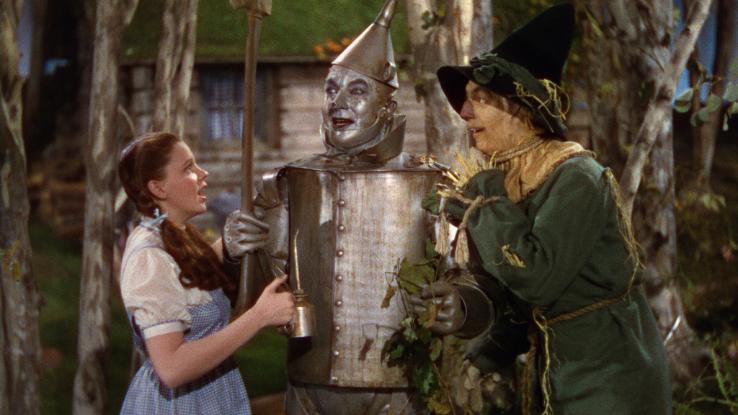
The original Tin Human being, Buddy Ebsen, had to be replaced by Jack Haley because of an allergy to the aluminum make-upwardly. Dorothy's loyal canine companion, Toto, misbehaved, and the Wicked Witch of the Westward extra Margaret Hamilton was accidentally burned during filming. Despite the difficulties, the movie grossed more $two 1000000 and remains a timeless classic.
The 1982 adventure drama Fitzcarraldo had one of the about difficult productions in film history. The movie was director Werner Herzog's insane story of real-life rubber baron Carlos Fermin Fitzcarrald. Shot in South America, ane of the picture show's most famous scenes involves dragging a gigantic steamship up a loma.
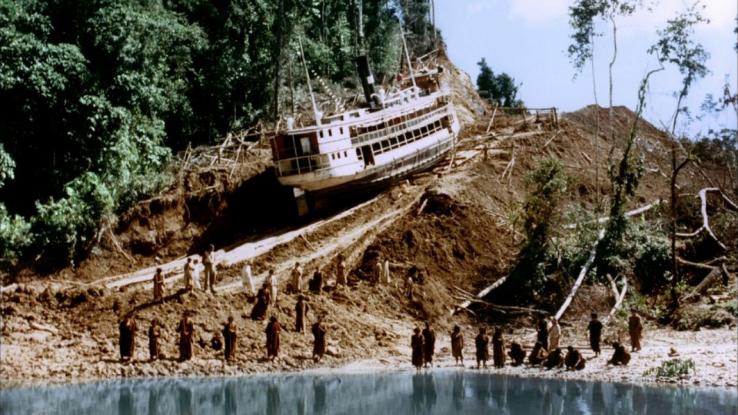
Herzog stubbornly rejected using miniature effects and insisted they shoot the scene with an actual 320-ton steamer. The scene was a disaster — at that place were numerous injuries and even deaths. Actors suffered from dysentery, and 2 small plane crashes resulted in boosted injuries. It's a miracle the picture show was ever completed.
Rapa-Nui
Rapa-Nui was near doomed from the very starting time. The 1994 historical drama focuses on the history of Easter Isle. Director Kevin Reynolds described the film's shoot as a "nightmare." It was difficult to make considering of the remoteness of the location.
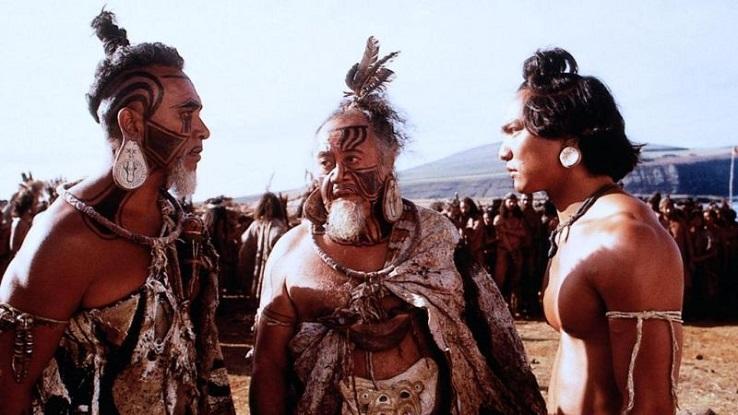
Flights to and from Chile'south mainland were scarce. Reynolds said, "We had one flight a week from the mainland, and there were times we ran out of nutrient to feed people." In add-on to the filming challenges, the movie only grossed $305,000. Still, obviously Reynolds didn't larn his lesson. Afterward this box-role bomb, he immediately tackled another difficult motion-picture show: Waterworld.
Waterworld
The 1995 science fiction thriller Waterworld involved many aquatic filming locations, which proved to be an expensive headache for everyone involved. Managing director Kevin Reynolds and his flick crew had to construct artificial islands far out at bounding main, which quickly gobbled upwardly the $100 million budget.
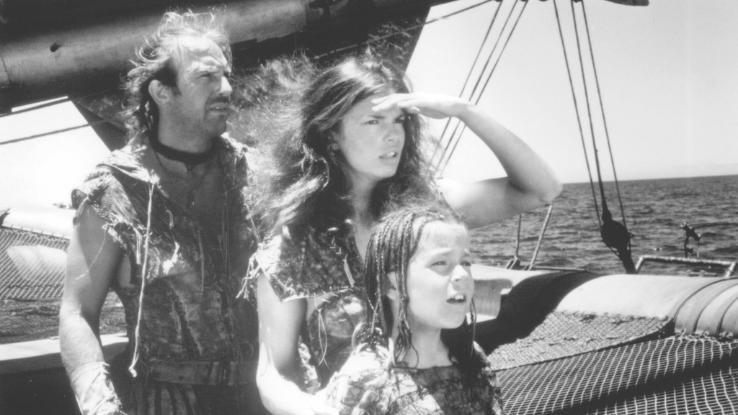
Actors, including Kevin Costner, were transported from dry land out to the filming locations. In addition, Costner nearly died when he was caught in a squall. 2 stuntmen were likewise injured, and young co-star Tina Majorino was stung three times by jellyfish. Eventually, Reynolds walked abroad from the project, and Costner finished the film himself.
Roar
It's a miracle no ane was killed during the making of the 1981 adventure thriller Roar. The film focuses on wild fauna preservationist Hank (Noel Marshall), who lives with a menagerie of lions, tigers and other wild animals. Marshall, who also wrote, directed and produced the film, decided to piece of work with more than 100 alive animals — for real.
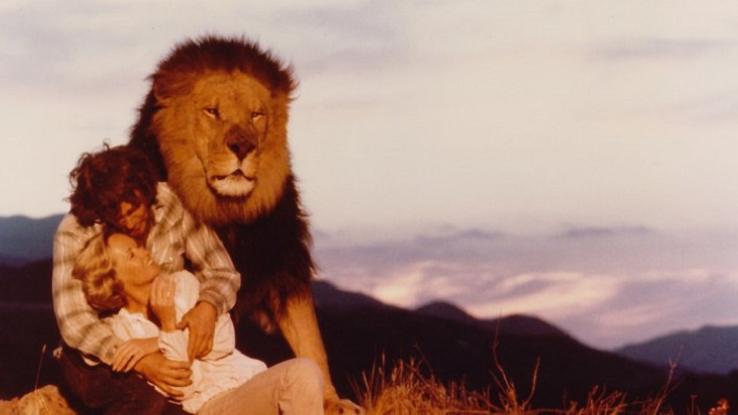
Around 70 bandage and crew members suffered injuries. Marshall's wife, Tippi Hedren, was bitten past a lion in the throat, and his stepdaughter, Melanie Griffith, suffered an injury to the confront. Cinematographer January de Bont nearly had his scalp torn off. If you watch the film and everyone looks scared, information technology'southward considering they were.
American Graffiti
If you lot think a drama about a group of teenagers in the 1960s would be simple to brand, think again. George Lucas' 1973 motion-picture show American Graffiti had many behind-the-scenes complications. Outset, a crew member was arrested for growing marijuana. Histrion Paul Le Mat suffered an allergic reaction to a walnut, and Richard Dreyfuss' head was cut open.
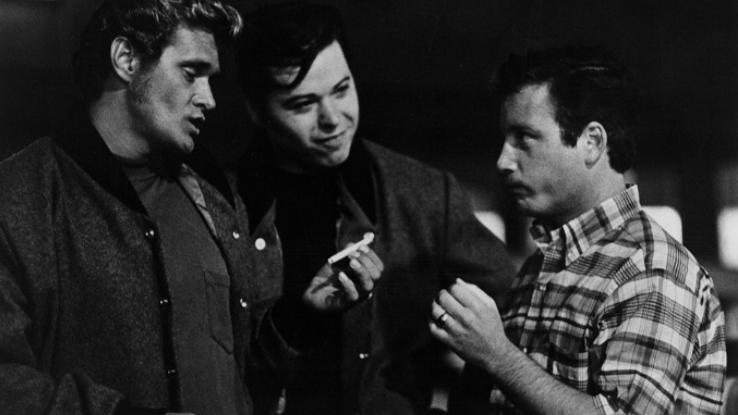
In improver, Harrison Ford was arrested during a bar fight, and someone set fire to Lucas' hotel room. The moving picture was a disaster in the making, but information technology became an acclaimed film of the 1970s. It grossed $750,000 and remains a cult classic to this day.
The Abyss
James Cameron'south 1989 science fiction drama The Completeness was an ambitious project. Featuring a number of underwater scenes, the submersible oil rig took 18 months to build. The motion-picture show's budget was effectually $two million. Cast and crew members frequently worked lxx hours a week, and actors Ed Harris and Mary Elizabeth Mastrantonio were on the verge of a mental plummet.
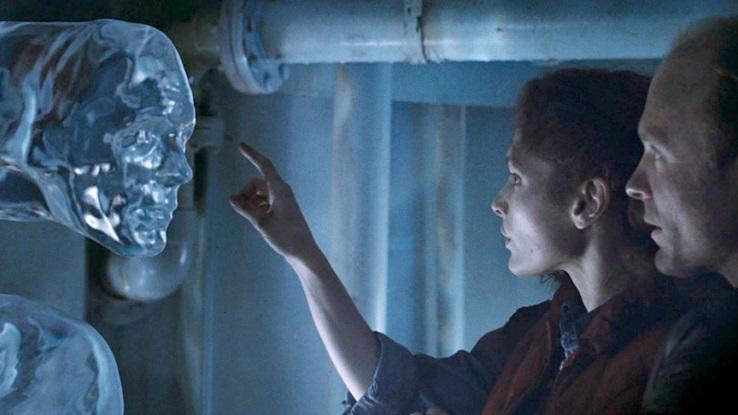
At one point, Mastrantonio shouted to Cameron, "We are non animals!" This was in response to the director's suggestion that the actors should urinate in their wetsuits to salve time between takes. While the film was well-received critically and grossed $90 million, everyone was glad when information technology was over.
The Isle of Dr. Moreau
Director Richard Stanley desperately wanted to embark on his dream project: an accommodation of H.G. Wells' novel The Island of Dr. Moreau. Stanley was especially thrilled when acclaimed actor Marlon Brando signed on to play the championship office. Only then, iii days into filming the 1996 thriller, Stanley was fired.
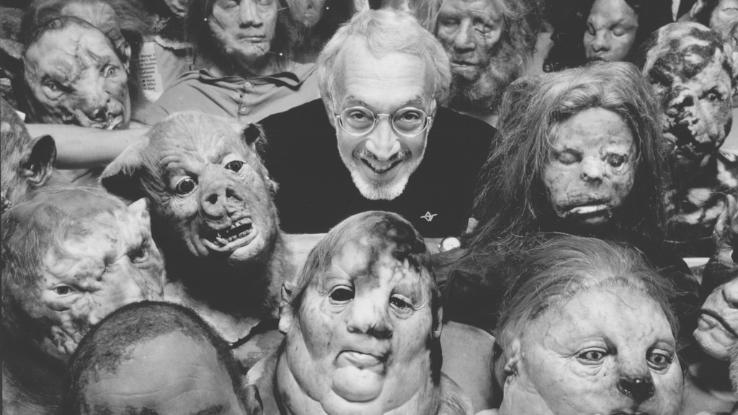
Actor Val Kilmer clashed with Stanley, and intense arguments led producers to burn down him and hire John Frankenheimer every bit a replacement. Nevertheless, that wasn't the end of the problems, as Kilmer and Brando didn't become along either. (Anyone thinking maybe the trouble was Kilmer?)
Apocalypse Now
Francis Ford Coppola was determined to continue his directing success later on The Godfather. He decided to adapt Joseph Conrad's novel Heart of Darkness into an epic state of war movie nearly the futility of the Vietnam conflict. This projection became the 1979 drama Apocalypse Now.
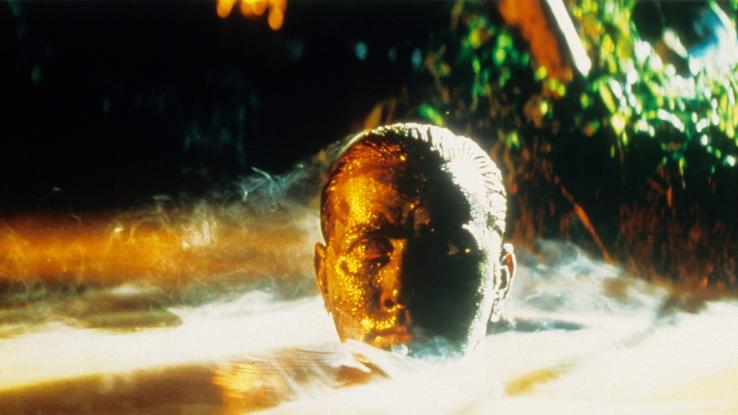
Aiming for realism, Coppola shot the film in the Philippines. The shoot lasted more than a year, and everyone endured dreadful storms and script rewrites. Lead actor Martin Sheen even suffered a heart assail. Coppola described the filming, "Nosotros were in the jungle. We had too much money. We had as well much equipment. And little past little, we went insane."
Heaven's Gate
Similar to Apocalypse Now, the 1980 activity drama Heaven's Gate spiraled out of control. The movie fell behind schedule and went over budget. Managing director Michael Cimino's obsession with menstruation detail and accuracy led to repeated reconstructions for sets. Additionally, Cimino insisted on an unnecessary number of takes — one time even waiting for a item cloud to float into view. Seriously?
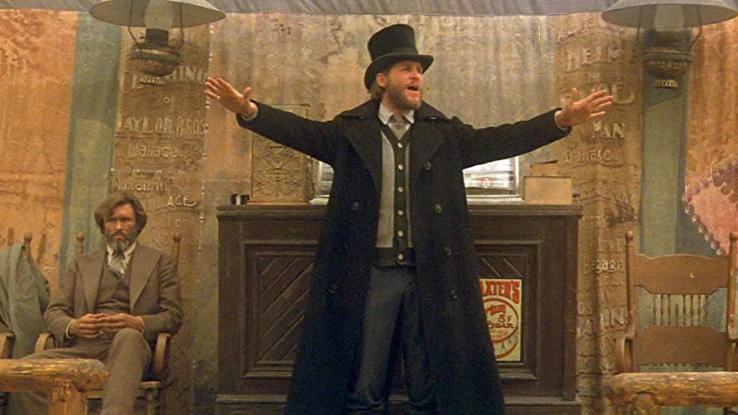
In the end, Cimino spent roughly $44 1000000 on production costs, and the motion picture merely grossed $3.v million at the box office. While information technology developed a cult following, it didn't earn nearly plenty money to justify the investment. Did Cimino learn his lesson?
Cleopatra
Cleopatra was always intended to exist big. The 1963 romantic epic starred Elizabeth Taylor and Richard Burton, and the vast upkeep allowed for the production crew to build elaborate sets. The film remains the most expensive movie e'er made — information technology about bankrupted 20th Century Fox.

Director Joseph L. Mankiewicz replaced Rouben Mamoulian shortly after filming began, and production stopped when Taylor became seriously ill. Some of the elaborate sets went unused. Taylor and Burton began an intense dearest matter that brought a lot of negative attention to the film. Despite everything, the movie is notwithstanding regarded as the most glamorous historic epic ever made.
Md Dolittle
The 1967 musical fantasy Doc Dolittle was troubled from the start. Information technology had a difficult star (Rex Harrison), terrible weather for filming, wayward animals, expensive reshoots and poorly chosen filming locations. It was a disaster, and no one enjoyed working on the picture show, including the local residents in the Wiltshire village of Castle Combe, United kingdom of great britain and northern ireland.
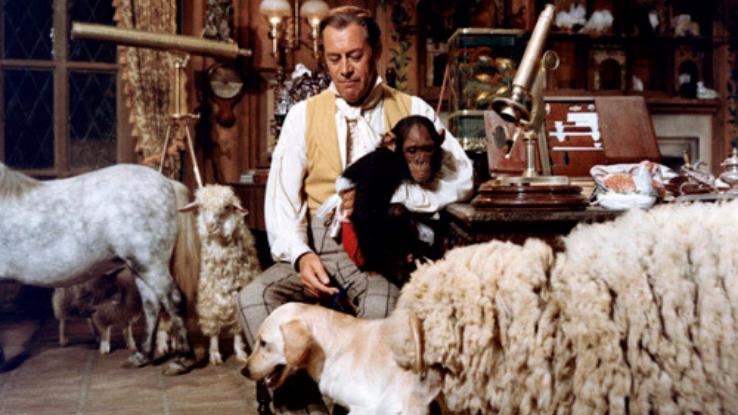
Structure for the film annoyed residents, who had to remove their tv aerials from their homes due to the picture's historical fourth dimension menstruum. The movie cost more than $17 million and only grossed $half dozen.2 million. The 1998 remake, starring comedian Eddie Murphy, fared much ameliorate.
Magician
Director William Friedkin is known for going "all out" for his movies. The Exorcist director constructed a gigantic bridge over a Dominican Democracy river for his 1977 thriller Magician. When the riverbed stale up, Friedkin relocated to Mexico, where he congenital some other span over the Papaloapan River. This river also dried up earlier filming began.
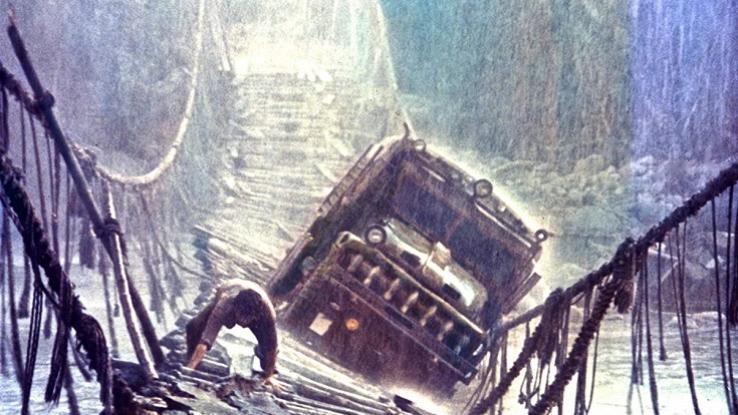
Rivers weren't the only drama. During filming, l coiffure members became sick with malaria, nutrient poisoning and gangrene. However, Friedkin didn't give upwards. Everyone else didn't enjoy working on the moving-picture show, only the director says he "wouldn't change a frame" of the movie.
Gremlins
In the pre-CGI days, 1984'due south fantasy horror flick Gremlins faced many complications. Director Joe Dante and his creative team dealt with problems caused by the movie's dozens of creature effects shots. "We were inventing the technology as we went along, as well as diffusive from the script as we discovered new aspects of the Gremlins characters," Dante explained.
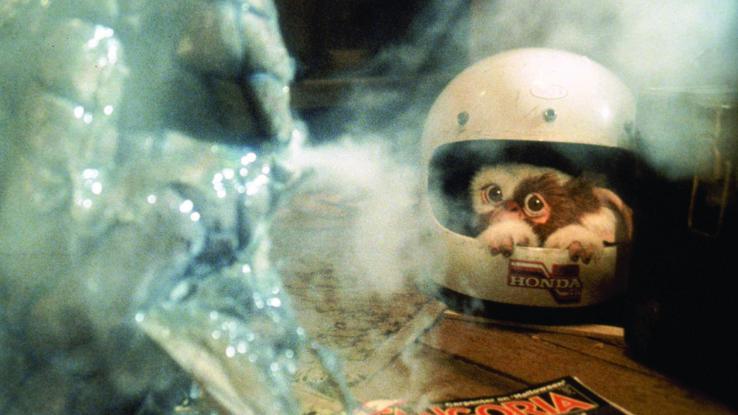
He added, "Information technology really did become maddening after a while. The studio wasn't peculiarly supportive." The process of shooting the special effects became so arduous that the scene where Gizmo is pelted with darts was added to the moving picture strictly to satisfy the crew.
Ishtar
Director Elaine May confessed, "I knew about acting, merely I knew nothing nigh film." She admitted that she felt the 1987 adventure Ishtar was a "screw-up." For one thing, shooting in the Sahara Desert was a bad idea. May and her crew were fearful they would be kidnapped, trapped in landmines or caught in the middle of a civil war — if they survived the heat.

Tensions grew between May and the cast. The director would sometimes shoot scenes more than than 50 times. The film cost $51 million and simply grossed a third of its budget. The pic has Dustin Hoffman merely non much of a cult following. May hasn't directed a motion picture since.
Alien 3
The script for the 1992 science fiction thriller Alien 3 was repeatedly rewritten, even after sets were built and product had already started. Various directors worked on the project before David Fincher stepped on board. During the unabridged production process, Fincher was frustrated by the cast, coiffure and studio producers.
He had to repeatedly reshoot several scenes, and producers then recut the picture show behind the director's back. He finally became so upset with the picture that he refused to be associated with it. He was glad to exist done with the project, and we can't really blame him for feeling that style.
The Fountain
Originally, Brad Pitt was supposed to star in the 2006 science fiction drama The Fountain. The movie centered around him, but then he dropped the motion picture due to script disagreements just weeks before production. Director Darren Aronofsky struggled to find a replacement role player — they eventually chose Hugh Jackman — and Warner Bros. shut the product down.
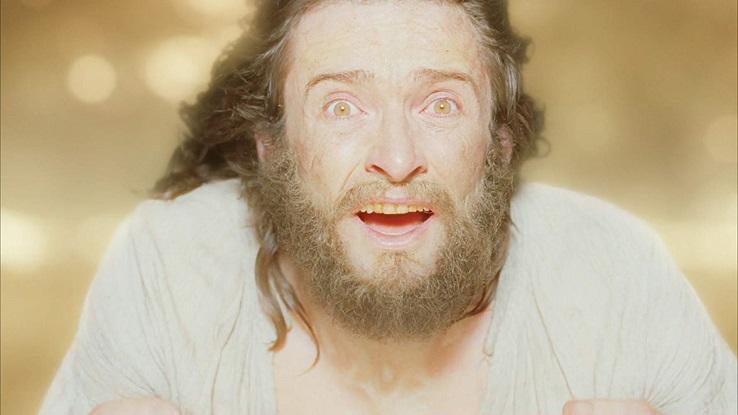
Two years later, Aronofsky returned to the project with a smaller budget of $35 million. From beginning to cease, information technology took him nigh 5 years to get the picture to the big screen. The outcome was a remarkable looking film that all the same only grossed $ten million at the box part.
Team America: World Constabulary
Trey Parker and Matt Stone's 2004 action satire of the War on Terror, Squad America: World Police, was shot with puppets on a soundstage and turned into a demanding production. They produced the motion picture with marionettes that took four people to operate. Some shots were so complex they took an entire solar day to picture.
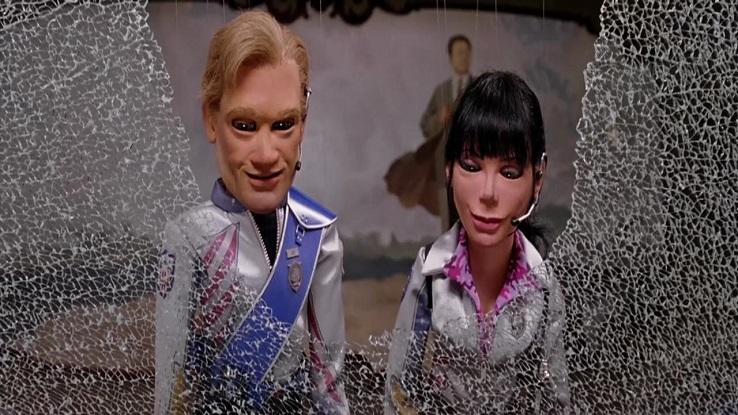
Rock commented, "It was the worst time of my entire life. I never desire to see a puppet once more." Stone and Parker vowed they would never direct another feature pic again. To this twenty-four hours, they have kept their word on that front.
The Emperor's New Groove
If you lot think there can't be whatever drama producing an animated pic, think again. Disney's 2000 motion picture The Emperor'south New Groove had many problems. Originally titled Kingdom of the Sunday, the movie was supposed to be scored by recording artist Sting. Even so, his songs were ditched afterwards a tepid response, and the original director (Roger Allers) left the project.
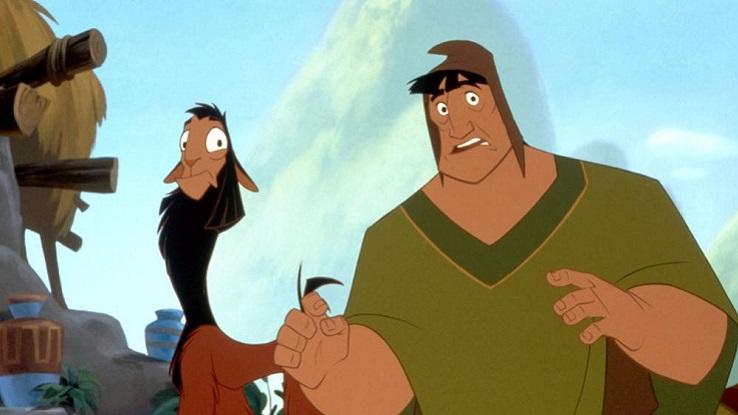
New director Mark Dindal stepped in to salvage the project. The pic's upkeep was overhauled, and Dindal had to piece of work speedily to morph the film into a disquisitional and financial success. Despite the frantic step, Dindal succeeded, and the movie grossed $169 million.
The Wolfman
Post-obit Universal's success with the 1999 fantasy The Mummy, director Mark Romanek created 2010's The Wolfman. Unfortunately, the film had some hairy problems. Four weeks into the product, Romanek quit, and Joe Johnston took over. He requested many reshoots, and a new screenwriter was brought in to modify the ending of the original script.
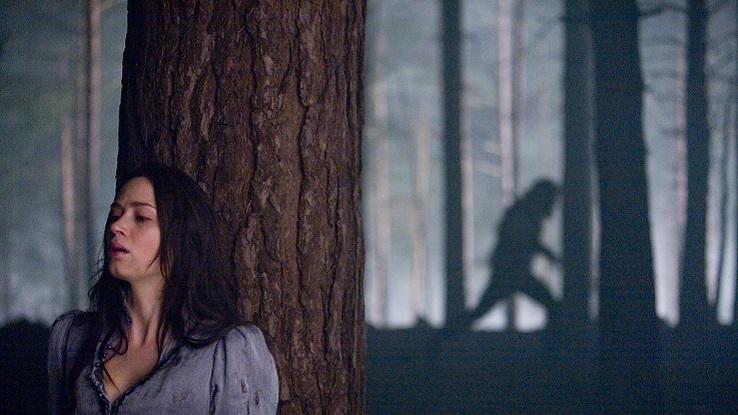
In addition, visual furnishings creators struggled to complete the pic's terminal scenes. New editors were added to the production, and Danny Elfman's score was ditched, only to be later reinstated. Although the movie grossed $139 meg, it didn't come shut to the success of The Mummy.
World War Z
Marc Forster's 2013 science fiction thriller World State of war Z required more extras than the average flick. Many of the film'southward raging zombies were accomplished by CGI, but hundreds of others were real-life extras. A scene shot in Malta required 900 extras. The number of people on set reached near 1,500 at one point.
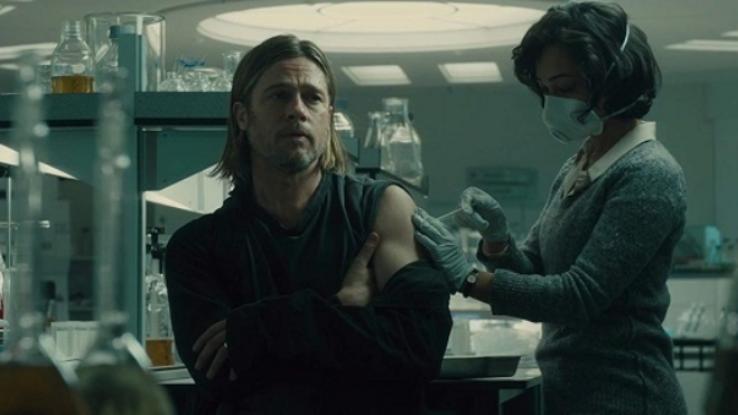
The film hit many problems, including seizure of a huge cache of weapons by officials from a counter-terrorism unit of measurement. Several action scenes were scratched at the last minute, and the catastrophe was changed multiple times. The film price $190 million, but information technology was a solid fiscal hit at the box office, grossing $540 one thousand thousand.
Mad Max: Fury Road
Manager George Miller spent 14 years of his life working on 2015's science fiction fantasy Mad Max: Fury Road. He insisted on shooting the motion picture with as many practical special effects as possible, and he repeatedly crashed real cars for the film'south activity scenes.
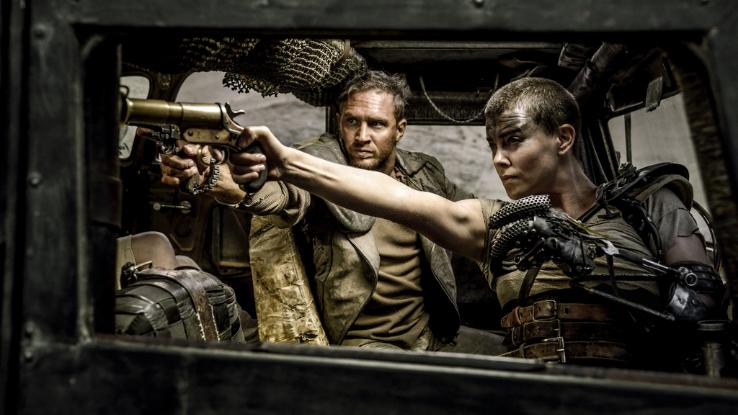
In add-on, the film started without an official script. Instead, Miller used hundreds of storyboards. Past the fourth dimension he was finished filming, he had 400 hours of available footage. Information technology must have taken a long time to edit the motion-picture show, simply it was worth it. The film somewhen won an Academy Award for All-time Film Editing.
Bract Runner
Manager Ridley Scott was excited to work on the moving-picture show adaptation of Philip Yard. Dick'due south 1968 novel Do Androids Dream of Electric Sheep? Still, he probably had no idea just how difficult 1982'due south science fiction fantasy Blade Runner would become. He had a fractious human relationship with the cast and crew, leading to many heated debates.
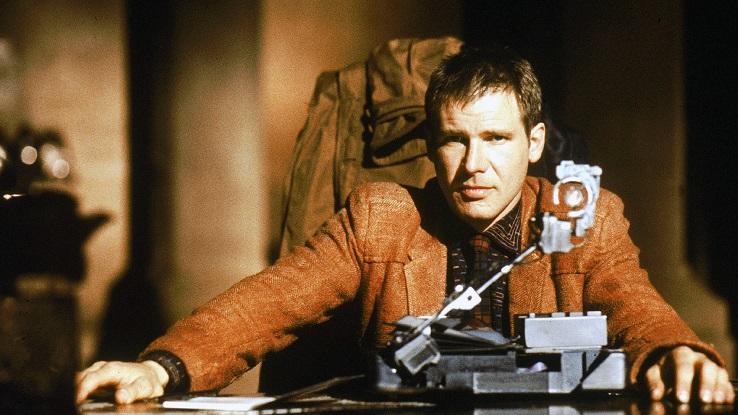
Harrison Ford looked bored most of the time on set, and several collaborators described the filming as "torture." The final shot was captured just equally producers arrived to pull the plug. The flick didn't take off at first, but it has grown into a cult favorite in the years since its release.
Pirates of the Caribbean
Producers thought Disney's Pirates of the Caribbean shouldn't have been fabricated. In 2002, Disney CEO Michael Eisner tried to pull the plug, not wanting another box office flop like The Country Bears. Even actress Keira Knightley had her doubts. When she was asked nigh her next project, she said, "It's some pirate thing — probably a disaster."
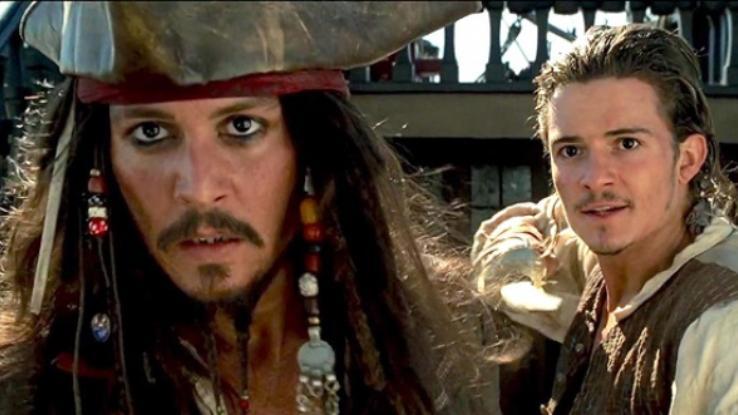
Producers disliked Johnny Depp's "Keith Richards" take on Jack Sparrow. Eisner was sure it would ruin the movie. Despite all the negativity, the film grossed more $650 meg at the global box office and spawned an adored franchise.
Batman
When comic volume expert Michael Uslan started working for DC Comics, he had the vision to purchase the rights for Batman and make a serious movie nigh the Caped Crusader. When he told Vice President Sol Harrison most his idea, Harrison warned him the brand was expressionless and to driblet the project.
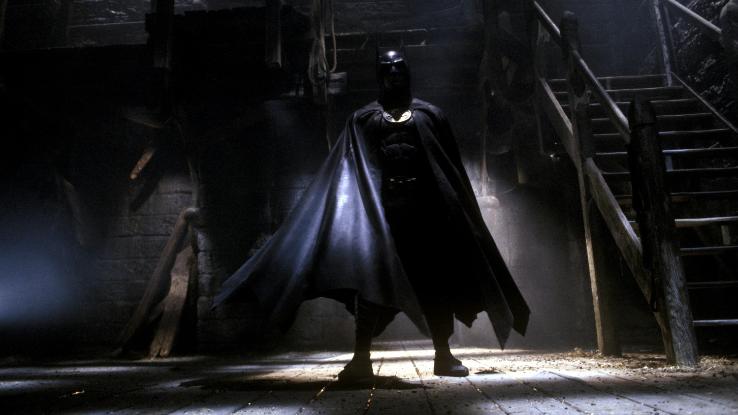
No one supported him, and then Uslan started working without a script or a crew. When actor Michael Keaton signed on to star as Batman, fans sent in more 50,000 letters in protestation. Withal, when the motion picture premiered in 1989, it grossed $411 million globally — and Keaton became the best Batman to appointment.
Back to the Hereafter
It took some time to get Dorsum to the Future off the ground. Robert Zemeckis and Bob Gale's 1985 science fiction fantasy was turned down by studios for years. Finally, famed director Steven Spielberg signed on every bit a producer, and the moving-picture show plant a dwelling house with Universal Pictures.
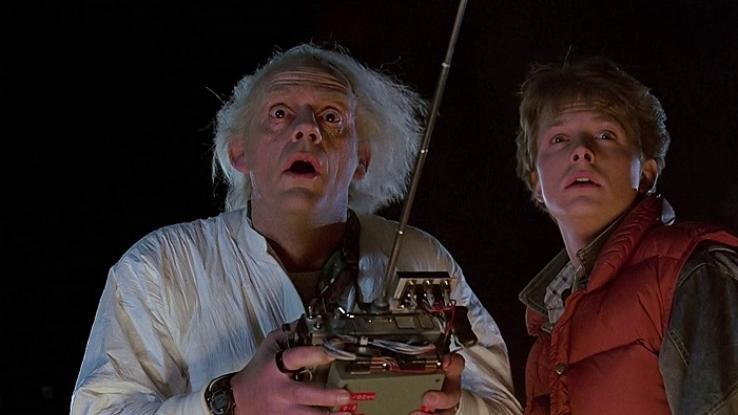
Producers loved the idea of Michael J. Trick starring as Marty McFly, but they were unsure he could commit to the moving picture due to his goggle box serial, Family Ties. They originally cast Mask player Eric Stoltz, just he was fired, and Fox causeless the office. The motion picture grossed more than $381 million worldwide and spawned a successful franchise.
Star Wars
Star Wars is 1 of the biggest franchises of all time. The first film, released in 1977, had broad special furnishings, causing the picture to fall backside schedule about right abroad. It seemed similar a hopeless endeavour at times.
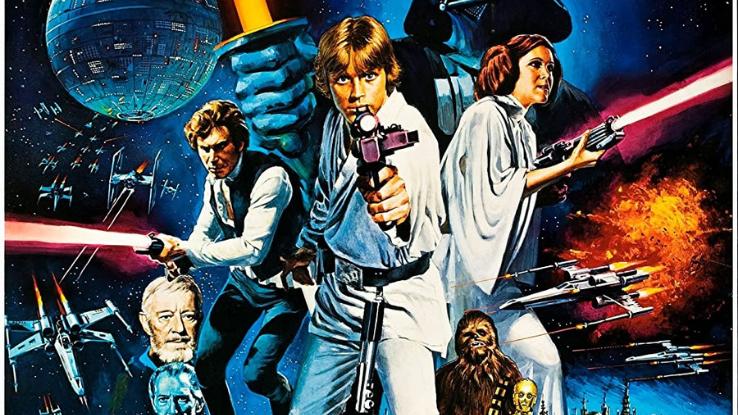
George Lucas blew past the film's budget and was forced to split his crew into 3 split up units to finish the pic. Executives at Play tricks were convinced Star Wars would be a flop, but they were wrong — very, very wrong. Star Wars was a jumbo hit, and the rest is intergalactic history.
Titanic
You would think after James Cameron'south feel filming The Abyss he would have avoided water-based movies. Instead, he directed the 1997 historical drama Titanic. The shoot didn't go very well, and crew members described Cameron as a "300-decibel screamer." In addition, actors endured hours in cold water.
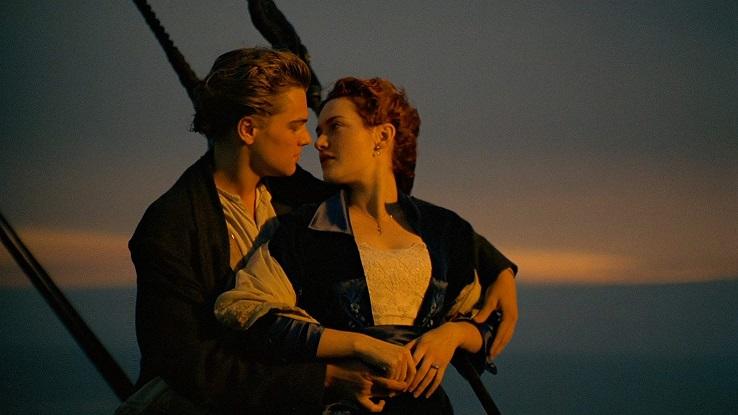
At one bespeak, a crew member spiked the lobster soup with a hallucinogenic drug, which sent Cameron and more than than 50 people to the hospital. The budget was diddled out of the water, just it worked out in the terminate. The picture show grossed more than $2 billion and won Academy Awards for All-time Film and Best Director.
The Shining
Manager Stanley Kubrick was adamant to plough Stephen Rex's The Shining into a perfect film. The 1980 psychological horror flick was a lengthy production. Kubrick ordered multiple retakes, frequently shooting scenes more than than 100 times. The famous "Here'due south Johnny" scene, which featured Jack Torrance (Jack Nicholson) forcing an ax through a door, took iii days to film and destroyed more than 60 doors.
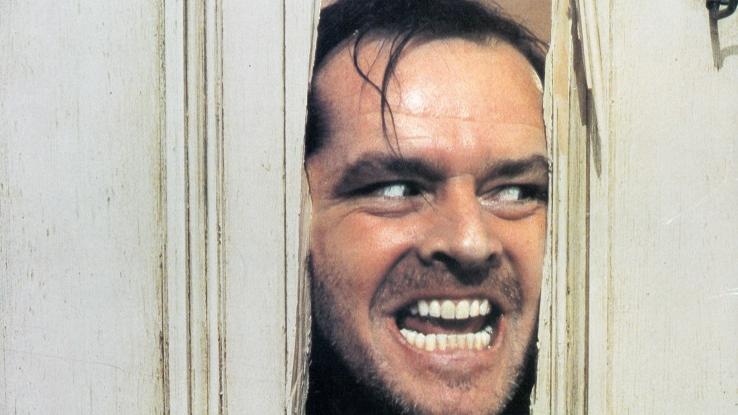
Information technology was only supposed to have 100 days to film the motion-picture show, simply production really lasted 250 days. Kubrick was reportedly so difficult to piece of work with that extra Shelley Duvall'due south hair began falling out, and she suffered a nervous breakdown. Yikes!
Jaws
There has never been a movie like the 1975 horror drama Jaws. The film went severely over budget due to mechanical problems with Bruce, the film's fake shark. Crew members called the movie "Flaws." It was only supposed to take 55 days to picture the film, but information technology turned into 159 days.
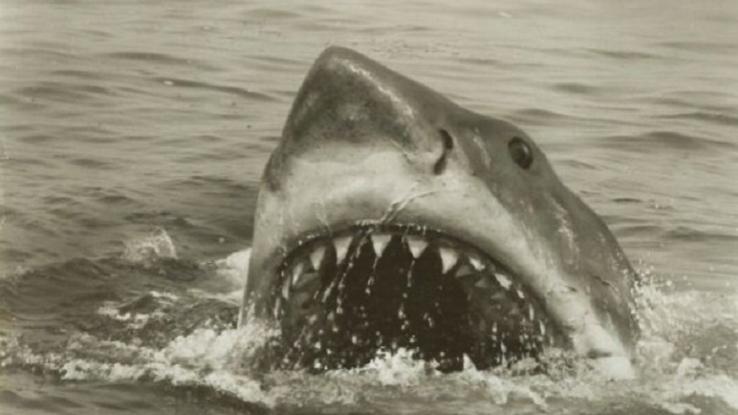
Meanwhile, actors Richard Dreyfuss and Robert Shaw were in a biting feud. Information technology didn't help that the movie's boat had a ruptured hull and really began to sink. Spielberg was sure his career was over, only the picture show grossed more $100 million and became one of the virtually popular movies ever fabricated.
DOWNLOAD HERE
Posted by: mcclellanfronce.blogspot.com

Post a Comment for "Best Option to Download Lionsgate Movie"